The making of the Nōks
When fiction inspires action
The main objective of this project is to highlight the search for innovative, eco-responsible solutions, in order to raise awareness among the general public about emerging technologies in the field of interactive productions. It also aims to demonstrate the many initiatives undertaken to integrate these technologies into everyday applications. We also wanted to play our part by ensuring that the production of this project is as eco-responsible as possible.

THE LUMINOUS TREES
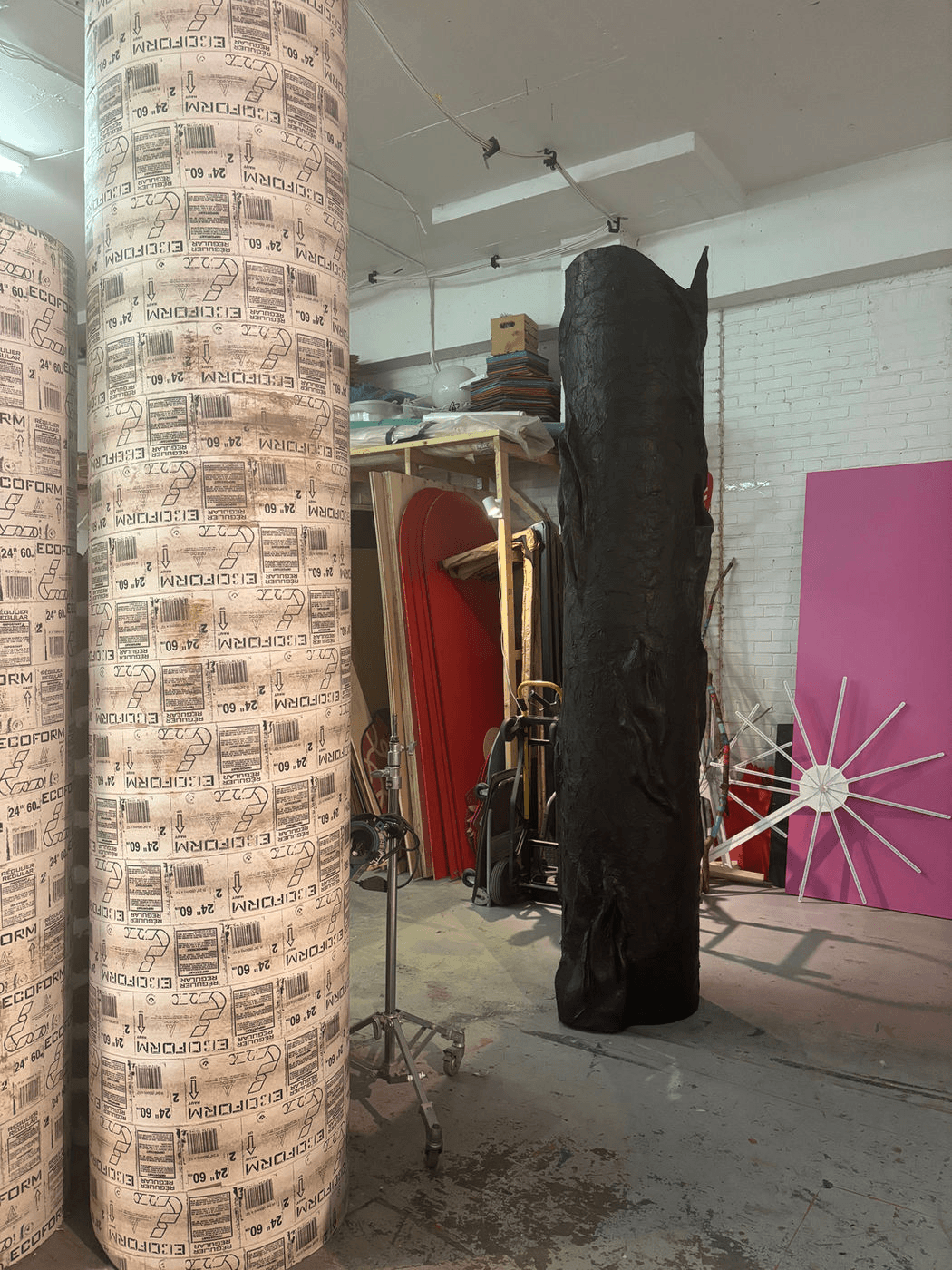
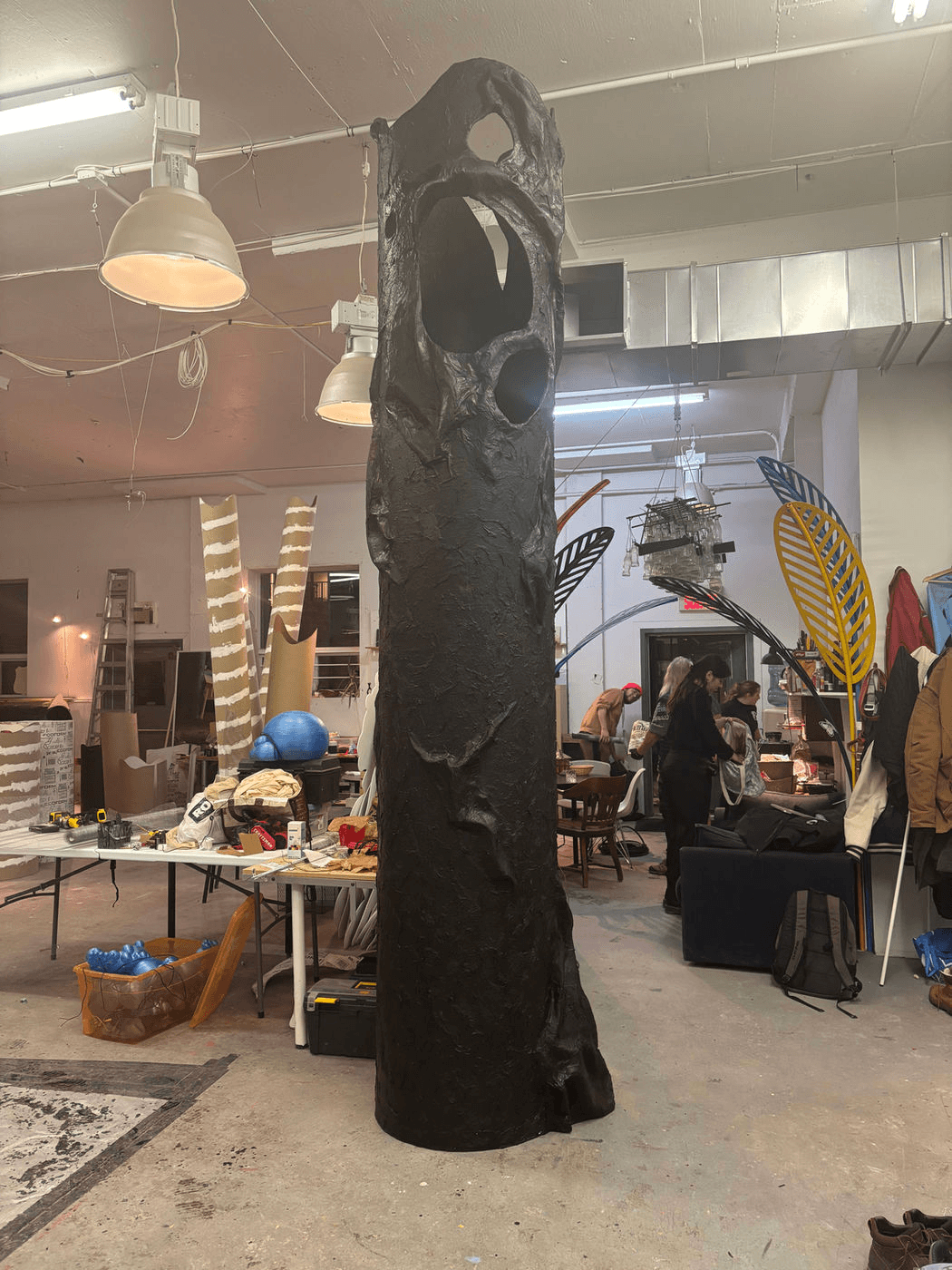
This hybrid structure illustrates the harmonious cohabitation between habitat and vegetation. Its foundation uses recycled cardboard sonotubes, reducing the carbon footprint of traditional formwork.
The coating employs Paverpol, an ecological, water-based, and non-toxic textile hardener. The revolutionary aspect lies in the luminous bubbles and anchors, printed in PHA, a 100% bio-based bioplastic produced by bacteria from plant resources.
Unlike conventional plastics that persist for centuries, PHA degrades naturally in a few months. The decorative elements use water-based fluorescent paints, minimizing VOC emissions.
THE HOUSES
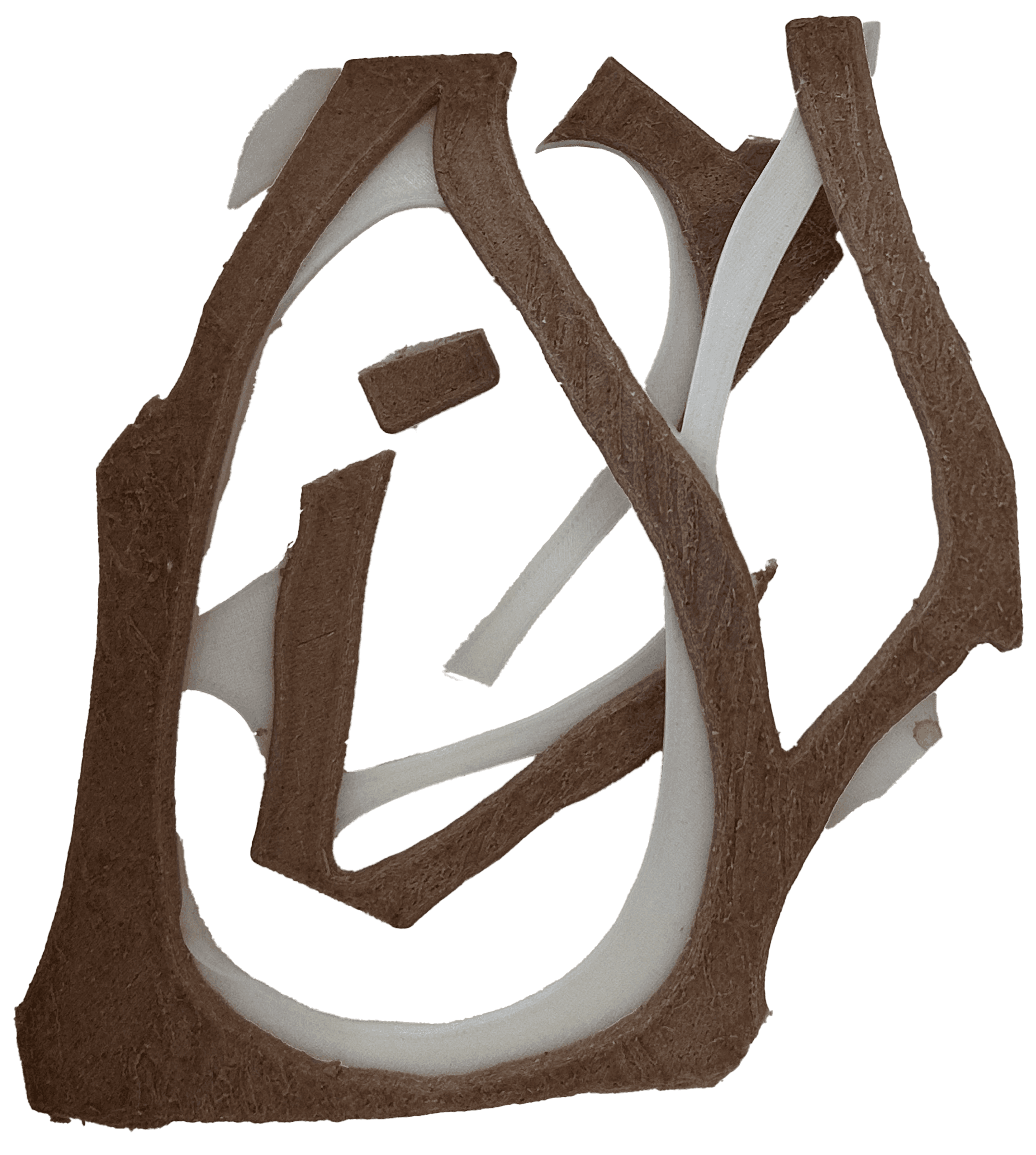
The Nōks habitat embodies the regenerative bioconstruction of the future. Its internal structure combines PHA and wood fibers, a fully bio-based composite that degrades naturally without toxic residues.
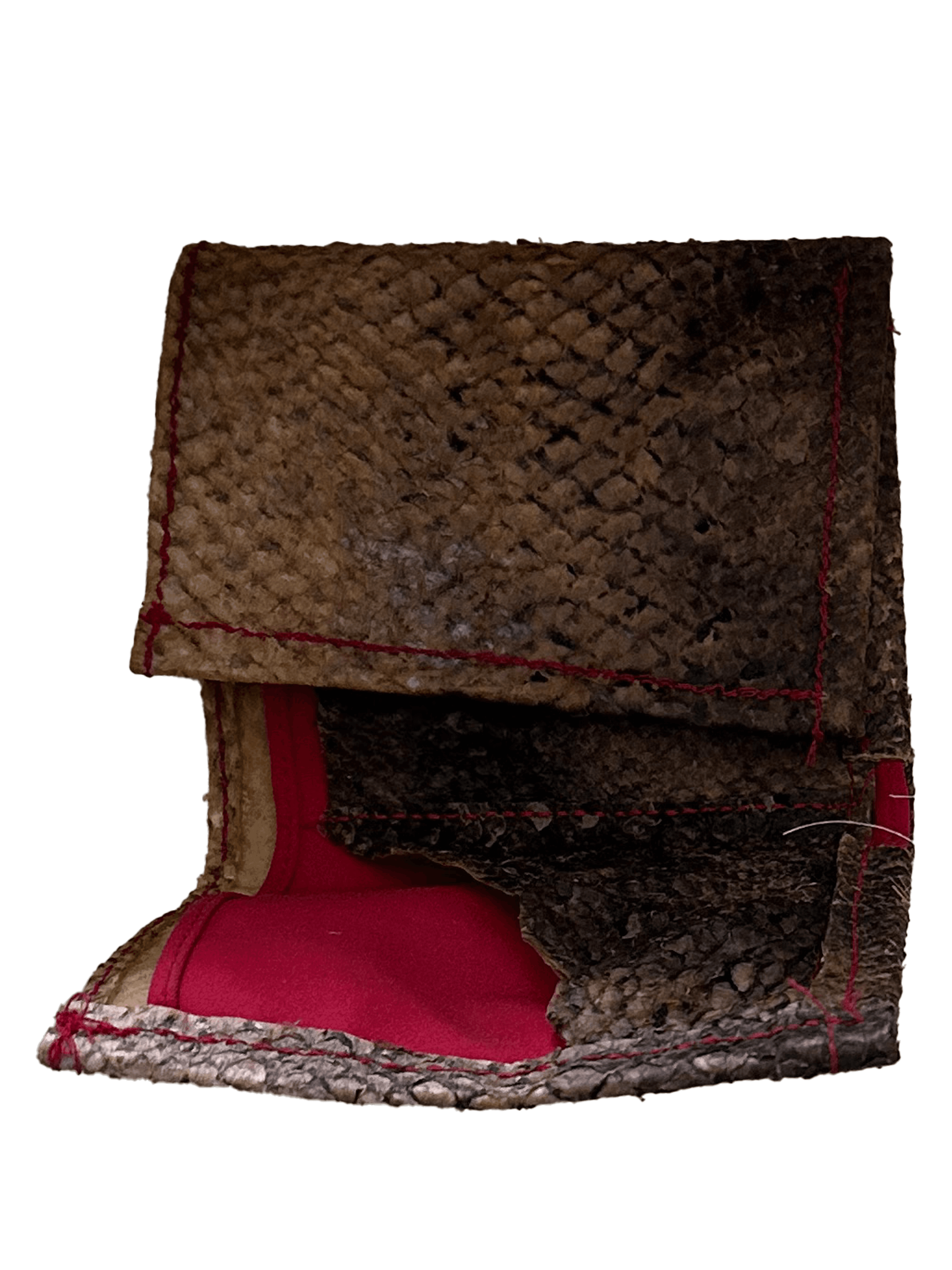
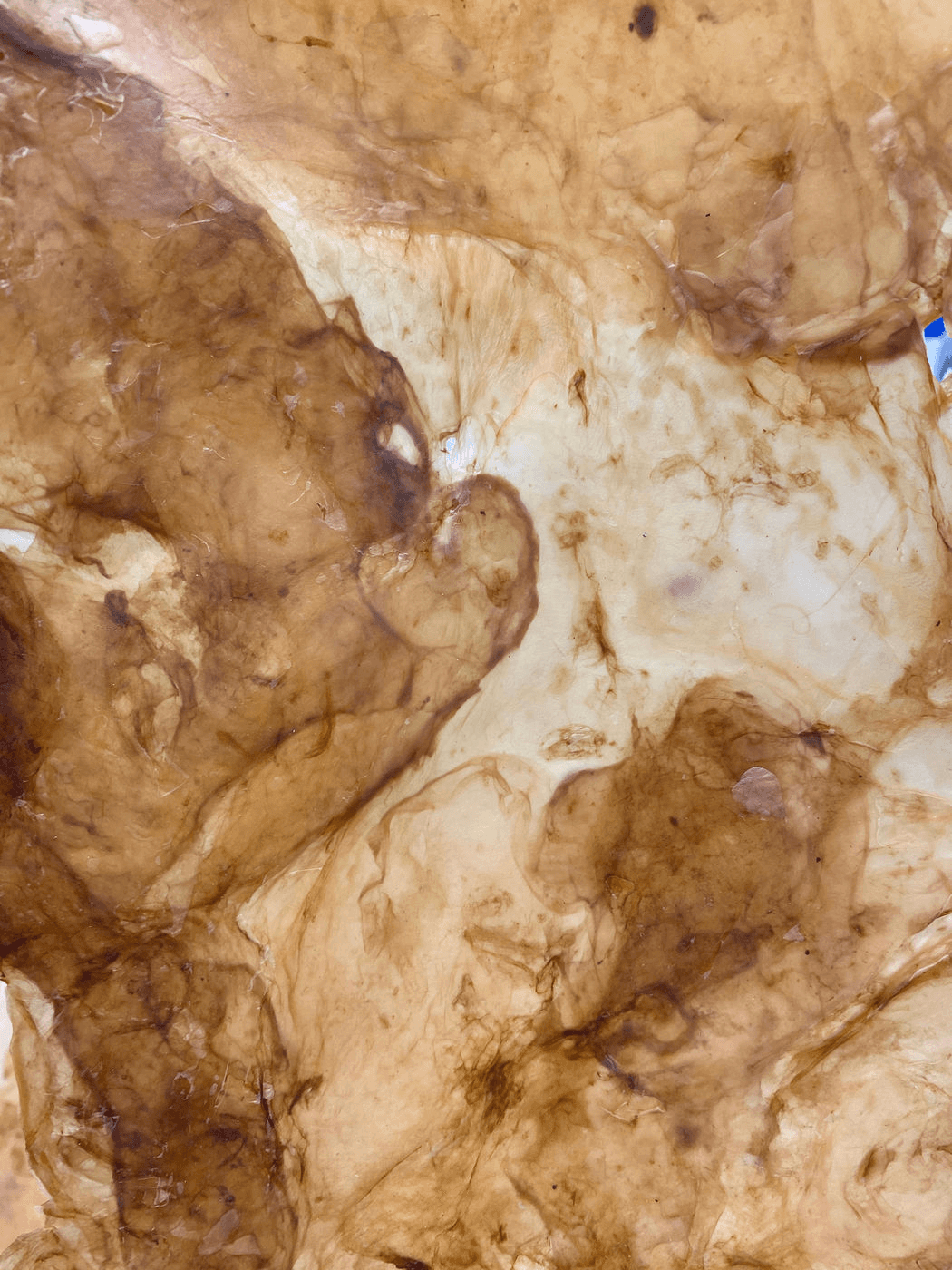
The external walls are composed of SCOBY leather, bacterial nanocellulose recovered from surplus kombucha production. This material, normally considered waste, is cleaned then treated with glycerin for flexibility and shellac for water resistance.
This exemplary valorization of an industrial by-product perfectly illustrates the circular economy, transforming waste into a sustainable biomaterial with remarkable textile properties.


THE GREAT ORGANIC THEATER
The theater space symbolizes the heart of the Nōks' history. The structural elements are made of wood flour-reinforced PHA, a composite derived from bacterial fermentation and sawmill waste.
This innovative biomaterial significantly reduces the carbon footprint while ensuring a circular life cycle. It degrades naturally after use. The structural base uses Paverpol, a non-toxic water-based textile hardener that cleverly integrates recycled materials while providing remarkable stability and resistance to climate variations.
The spectacular sets and ornaments are created from SCOBY leather, bacterial nanocellulose salvaged from kombucha production surplus.
THE GARDEN
The Nöks' garden embodies the principles of circular agriculture, an agricultural model inspired by the circular economy aimed at optimizing resource use.
The waste of one species becomes a nutrient for another species. Bark and log splinters with hypnotic grain patterns interlace with mosses and lichens.
The forest mushrooms include tinder polypores harvested in the forest according to responsible practices, as well as rarer oyster and reishi mushrooms, acquired from a shop specializing in responsible fungal cultivation in Montreal.
Luminous biodegradable PHA bubbles, enhanced with fluorescent paints, create an immersive nocturnal experience.